
Debt affects far more than someone’s bank account. For many people, financial stress slowly becomes emotional stress, and over time it can affect confidence, relationships, and overall well-being. Whether someone is facing credit card debt, mortgage trouble, or the fear of losing a home, the emotional toll can feel just as heavy as the financial one. Understanding how debt affects mental health and what steps can help, can make navigating financial challenges a little less overwhelming.
The Psychological Burden of Financial Stress
Debt can make you feel ashamed, anxious, and unsure about what to do. People worry about how they will pay their bills, what will happen to their homes, and how the situation might affect their families. When debt becomes overwhelming, it can lead to sleepless nights, constant worry, irritability, or even depression.
Certain types of debt create unique mental stress. For example, homeowners struggling to keep up with mortgage payments may experience a sense of panic or fear of losing their home. These situations sometimes involve consultations with professionals such as a foreclosure action defense attorney Orlando, residential foreclosure attorney Orlando, or commercial foreclosure lawyer Orlando. Even seeking information about these options can feel emotionally heavy because it forces individuals to confront the possibility of losing property or restructuring major financial responsibilities.
Debt can also hurt relationships. Couples may argue over spending habits or the fear of falling behind. Parents may feel guilt if financial challenges impact their children’s routines or stability. These stresses can make even the simplest choices seem too much to handle.
How Debt Affects Daily Life and Mental Health
People under financial strain often experience changes in behavior and mood. They can stop going out with friends because they’re frightened to spend money or feel embarrassed about their status. Stress can also show itself in physical ways, such headaches, stomach issues, muscle tension, and tiredness that lasts for a long time.
People who are dealing with more complicated debt issues, such as strategic mortgage default attorney consultations or navigating strategic credit card default decisions, may feel torn between financial logic and emotional guilt. Even normal tasks like going through paperwork or reading mail can make someone anxious if they are worried about bad news.
Legal issues can make tension worse. Filing jointly with a partner, for example, might involve talking to a joint bankruptcy lawyer, which can bring relief but also emotional conflict or uncertainty about the future. Similarly, someone considering a repayment plan might need to understand reaffirmation debt in Chapter 13 Florida, this means agreeing to keep paying a certain obligation even while in bankruptcy, which can be another emotionally difficult choice.
Healthy Ways to Cope Through Financial Hardship
While debt can feel isolating, many people face similar challenges. You can make the emotional load easier to handle by taking deliberate steps:
1. Acknowledge Your Stress
The first step to get better is to realize that you’re under emotional stress. It’s normal to feel anxious or overwhelmed when dealing with debt. Giving yourself permission to acknowledge these feelings helps reduce shame and helps you think more clearly.
2. Stay Informed and Organized
When things are uncertain, they frequently make people more anxious. Understanding your financial situation—income, expenses, and payment obligations can make the process feel more manageable. Organization also helps when exploring options like loan modifications with a mortgage loan modification attorney or understanding bankruptcy laws through a local bankruptcy law firm Orlando.
3. Talk to Someone You Trust
Sharing your concerns with a supportive friend, family member, or counselor can relieve emotional pressure. Sometimes simply saying the problem aloud help you understand it better and reduces stress.
4. Practice Small, Consistent Stress-Relief Habits
Activities like walking, journaling, meditation, or limiting screen time during stressful moments can help stabilize emotions. Small habits, practiced consistently, become tools that help during financially stressful periods.
5. Explore All Options Before Making Major Decisions
Whether dealing with foreclosure, credit card debt, or bankruptcy, understanding all available paths helps reduce fear of the unknown. Talking to professionals can help you feel better because it makes your expectations and timelines clearer.
Moving Forward—Financially and Emotionally
Debt is challenging, but it does not define a person’s worth or future. With the right information, a realistic plan, and strategies to support emotional well-being, it’s possible to regain stability. Most importantly, acknowledging both the financial and emotional sides of debt can help individuals feel more in control as they move toward a healthier, more secure future.
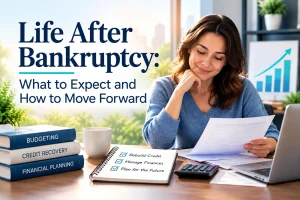
Life After Bankruptcy: What to Expect and How to Move Forward
Opening the mail without worrying about another collection notice may feel unfamiliar after bankruptcy. So might deciding what to do with money that once went

Bankruptcy Breakdown: Which Chapter 7, 11, 12, or 13 is Right for You?
Bankruptcy is a legal process that gives relief for individuals or businesses facing overwhelming debt that they can no longer repay. Bankruptcy may seem like